
News
Stay up to date on the latest crypto trends with our expert, in-depth coverage.


Bitcoin Price Prediction: Analyst Reveals Best and Worst Case Scenarios as Breakdown Confirms
Coinpedia·2026/06/02 20:36
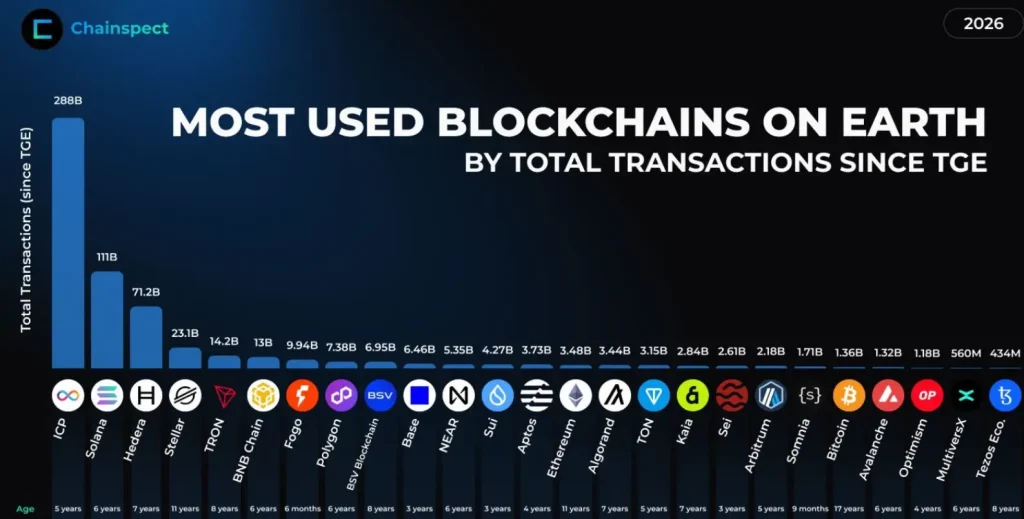
ICP Price Eyes Breakout as Internet Computer Becomes Crypto’s Most Used Blockchain
Coinpedia·2026/06/02 20:36

CLARITY Act New Update: Bill Officially Placed on Senate Calendar as Galaxy Bets $10M on 2026 Passage
Coinpedia·2026/06/02 20:36
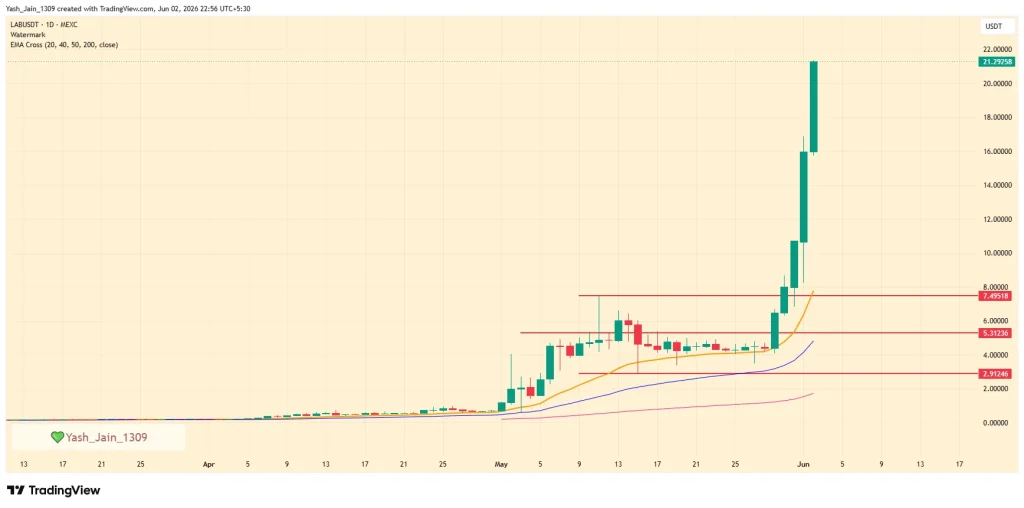
LAB Price Explodes 200% After Buyback Program Reveal, Can Rally Extend Beyond $21?
Coinpedia·2026/06/02 20:36

PORTAL Price Jumps 300% as Portal Studio Targets AI Agent Chaos
Coinpedia·2026/06/02 20:36

SUI Enters a Pivotal Support Zone Below $1—Will it Trigger a Rebound Back Within the Range?
Coinpedia·2026/06/02 20:36

AMP Price Prediction 2025, 2026 – 2030: Will AMP Hit $0.050?
Coinpedia·2026/06/02 20:36
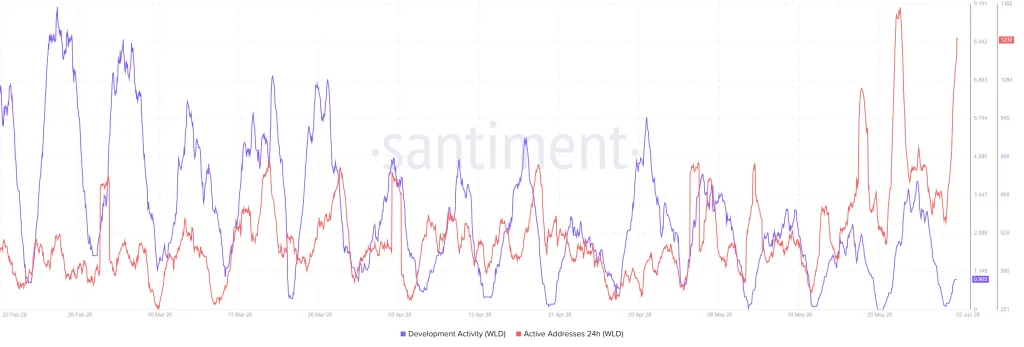
Worldcoin Price Surges 19% as Bullish Signals Return: What’s Next for WLD?
Coinpedia·2026/06/02 20:36

Ripple’s David Schwartz Answers: Is Russia Posing a Threat To XRP?
DailyCoin·2026/06/02 20:30

Flash
07:54
China Association of Automobile Manufacturers: From January to April, the total value of automobile products exported from China to countries along the Belt and Road reached $52.08 billionsOf these: 2.057 million complete vehicles were exported, a year-on-year increase of 44.8%; 641,000 new energy vehicles were exported, a year-on-year increase of 47.4%.
07:50
Broadcom's Performance Triggers AI Overheating Alarm; Tonight's Non-Farm Data May Justify AI Investment Cuts On June 5, emerging market assets fell for the third consecutive trading day, led by the South Korean stock market, as investor enthusiasm for artificial intelligence stocks waned. The MSCI Emerging Markets Index dropped 1.7% to 1728.66 points, with the South Korean KOSPI index plummeting by 7% at one point on Friday. Following Broadcom's AI chip sales outlook falling short of market expectations, chip manufacturers like Samsung Electronics and SK Hynix led the decline, with these two companies accounting for more than half of the market capitalization of the Korean composite index. After two consecutive weeks of gains, emerging market stocks and currencies are expected to record a weekly decline this week. Charu Chanana, Chief Investment Strategist at Saxo Markets, stated: 'Broadcom is a trigger that reminds the market how excessive expectations have become; investors have priced in many perfect expectations for AI, so even a small disappointment can lead to a significant revaluation. If the non-farm payroll data is stronger than expected, it may provide another excuse to cut AI investments.' (Jin Shi)
07:50
Hong Kong Monetary Authority Establishes Tokenization of Bonds Expert GroupBlockBeats News, June 5th, According to an official announcement, the Hong Kong Monetary Authority (HKMA) today announced the establishment of a Tokenized Bond Expert Group, bringing together industry representatives with relevant experience and a focus on the development of the tokenized bond market in Hong Kong to further promote the application of tokenized bonds in Hong Kong and expand their potential.
The expert group includes representatives from industry associations, financial institutions, law firms, as well as representatives from financial infrastructure and technology providers. Building on the progress made in various tokenized bond-related initiatives by the HKMA to date, the expert group will collectively explore policy measures, market practices, and innovative solutions.