
News
Stay up to date on the latest crypto trends with our expert, in-depth coverage.

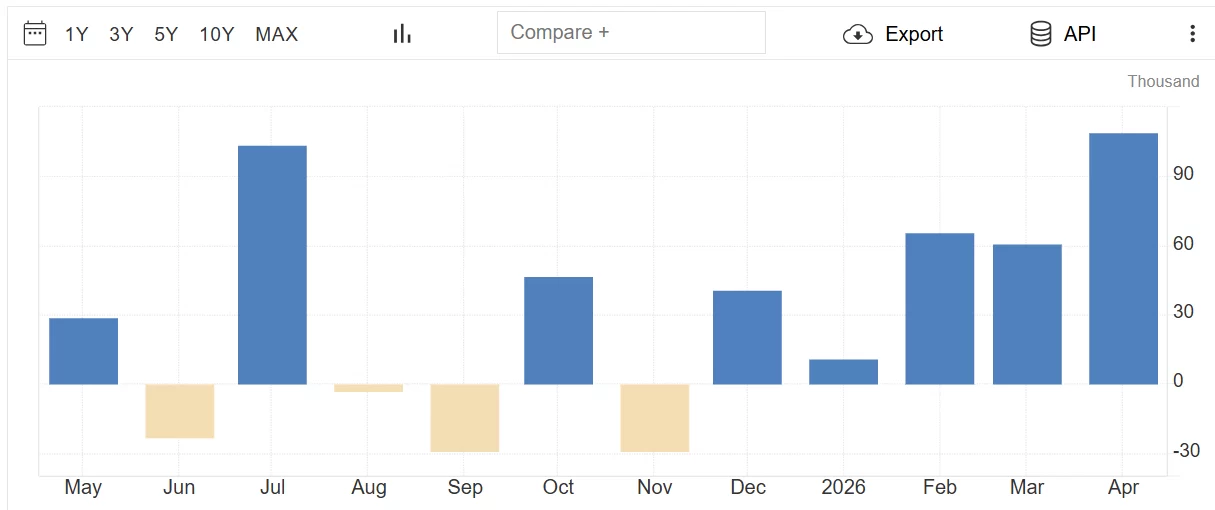
U.S. jobs climb by 109,000, FED keeps rates firm
Cointurk·2026/05/06 13:30
21Shares lists Strategy-linked STRC ETN on London Stock Exchange, expands UK footprint
The Block·2026/05/06 13:27
Institutional crypto adoption grows as banks embrace blockchain
Cointurk·2026/05/06 13:21

Zcash bets turn into second-largest liquidations behind bitcoin as ZEC rockets 30%
CryptoNewsNet·2026/05/06 13:18
GBP: Political risks build but currency holds – MUFG
FXStreet·2026/05/06 13:18
Venus Protocol Unveils Venus Trade on BNB Chain
BlockchainReporter·2026/05/06 13:15
XRP Just Printed the Tightest Bollinger Bands in Years. Here’s What’s Coming
TimesTabloid·2026/05/06 13:06
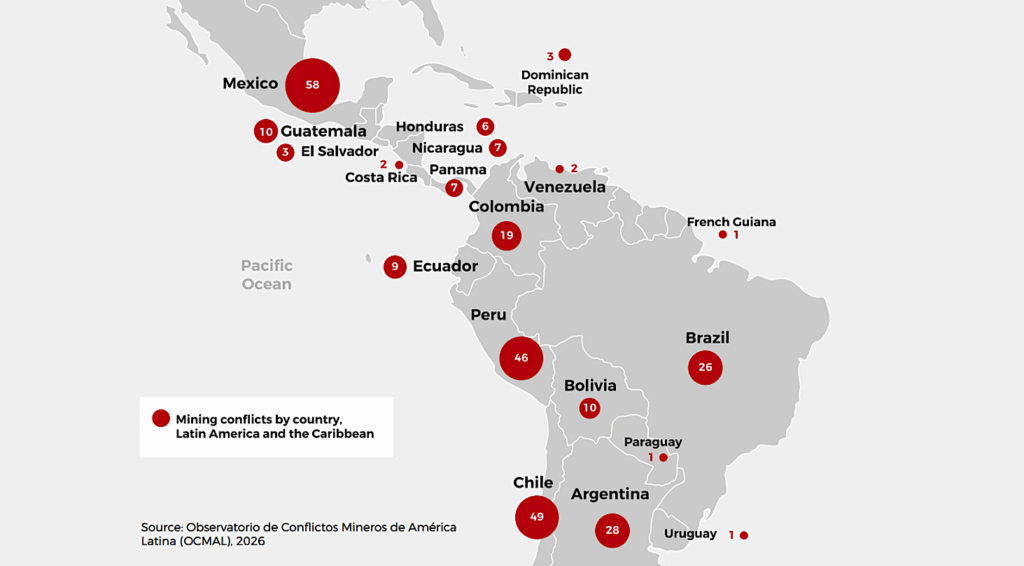
Argentina mining revival fuels $40B copper push
Mining.com·2026/05/06 13:06
NZD/USD: Market pricing aggressive RBNZ tightening path – BBH
FXStreet·2026/05/06 13:03
Flash
06:05
Preview: U.S. May Core PCE to Be Released Tonight at 8:30 PM, Potentially Rising to a New High Since October 2023BlockBeats News, June 25th. The Federal Reserve's most closely watched inflation indicator, PCE, will be released tonight at 8:30 PM. The market expects a significant uptick in May inflation, which could rekindle rate hike bets. The overall PCE year-over-year increase for May is expected to reach 4.1%, up from April's 3.8%, hitting a high not seen since 2023. The core PCE, which excludes food and energy, is anticipated to rise to 3.4% year-over-year, surpassing April's 3.3% and reaching its highest level since October 2023. Since 2021, the core PCE has consistently exceeded the Fed's 2% inflation target.
This recent short-term inflation surge is mainly attributed to the spike in gasoline prices due to the May Iran conflict. Following the signing of a peace agreement between the US and Iran, oil prices have gradually retreated. However, core inflation has simultaneously strengthened, indicating that price pressures are not solely from geopolitical oil price disruptions. According to the CME FedWatch Tool, as of Wednesday, the market has priced in a 34% probability of a 25-basis-point rate hike in July.
Aditya Bhave, a US economist at Bank of America Securities, stated that this round of inflation rebound is partially due to tariffs and one-off disruptions. Nevertheless, persistent supply shocks have eroded the Fed's patience, and the deflationary pressure in the housing sector is nearly exhausted. Data shows that the core PCE dropped to 2.6% in April, the lowest since 2022, but the annualized growth rates for the past 3 and 6 months have hovered around 3.8%.
06:03
Zhang Jun: AI and Geopolitics Reshape the Macro Framework, Token Expected to Become the New Monetary AnchorAt the 2026 mid-year strategy conference, Chief Economist Zhang Jun of Galaxy Securities stated that AI and geopolitics are reshaping global macro trends, with AI driving K-shaped divergence in the economy and markets, and geopolitics triggering six major reconstructions including the monetary system. Zhang Jun believes that Tokens, due to their high-frequency real demand, standardized attributes, and decentralized features, are expected to become the monetary anchors in the AI era.
06:01
"Eggflation" resurfaces in South Korea as people start "egg price comparison" modeGolden Ten Data reported on June 25 that egg prices in South Korea have risen significantly recently, and the term "eggflation" has reappeared in South Korean media. To address the issue of reduced domestic supply, the South Korean government is increasing imports, while citizens are actively comparing prices to find eggs. According to South Korean media, which cited data from the Korea Institute for Animal Products Quality Evaluation and the Ministry of Agriculture, Food and Rural Affairs, as of mid-June, the retail price for a box of 30 eggs in South Korea was 7,506 won (1,000 won is about 4.4 yuan), up 7.1% year-on-year. The average retail price for a box of 10 premium eggs rose to 5,229 won this month, surpassing 5,000 won for the first time, up 16.7% from May and nearly 39% higher compared to the same period last year. In addition, the average daily supply of eggs in South Korea this month is 47.05 million, a decrease of 3.3% year-on-year.