
News
Stay up to date on the latest crypto trends with our expert, in-depth coverage.


Dow Jones futures rise as renewed Middle East tensions de-escalate
FXStreet·2026/05/08 07:30
AUD/USD Price Forecast: Rebounds toward 0.7250 near four-year highs
FXStreet·2026/05/08 07:30
Block Shares Surge Nearly 8% After Hours Despite $309 Million Net Loss
BeInCrypto·2026/05/08 07:27
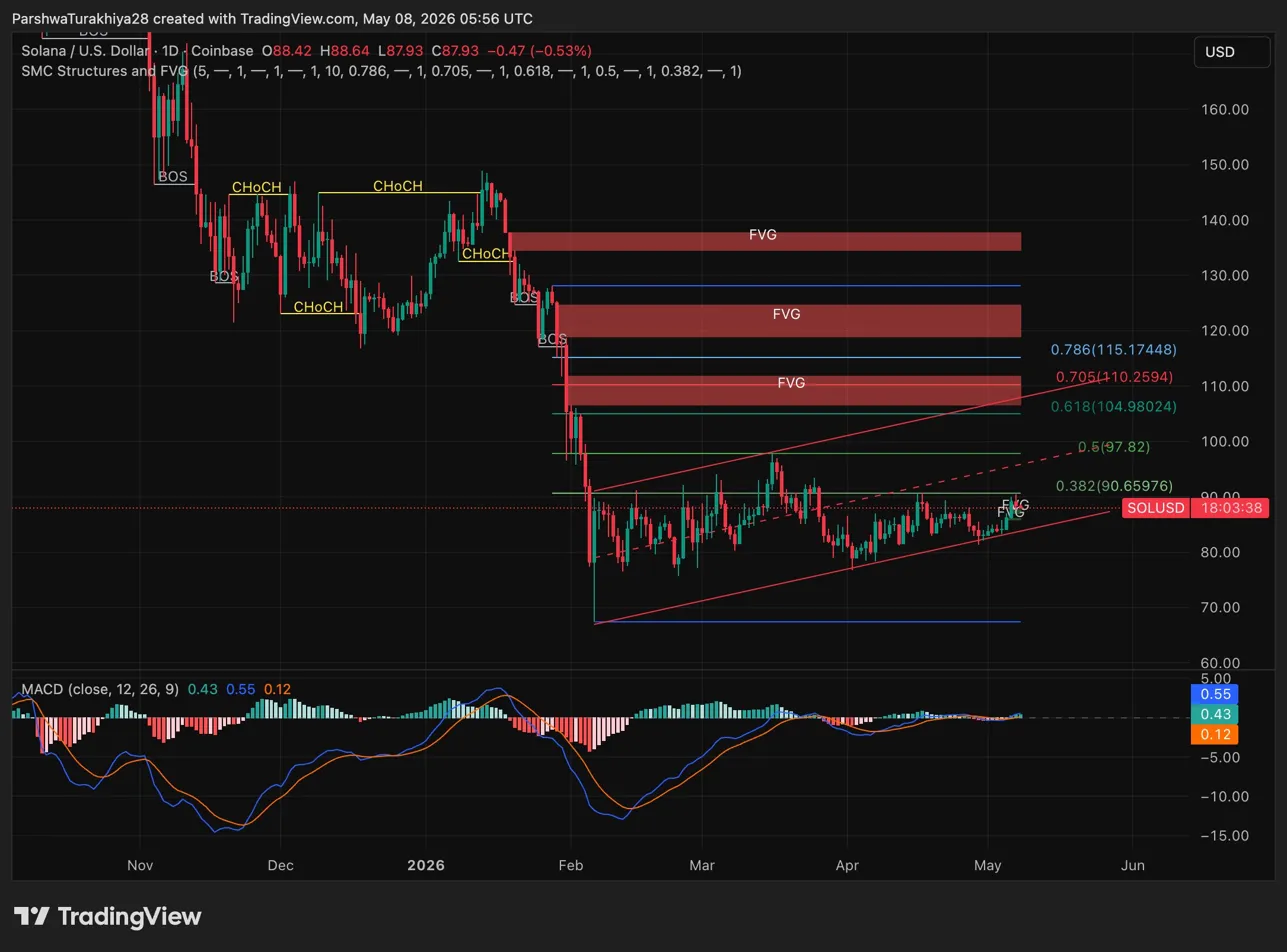
Solana Price Prediction: Crypto Bill Markup Next Week as SOL ETFs Cross $1B
CoinEdition·2026/05/08 07:21
SOL Spot ETF Inflows Beat BTC and ETH
Coinomedia·2026/05/08 07:18
Tether blacklists 371 wallets after $515M USDT freeze in 30 days
Crypto.News·2026/05/08 07:12
Top Trader to Jake Claver: XRP to $1200+ Is Not Happening By the End of 2026
TimesTabloid·2026/05/08 07:06
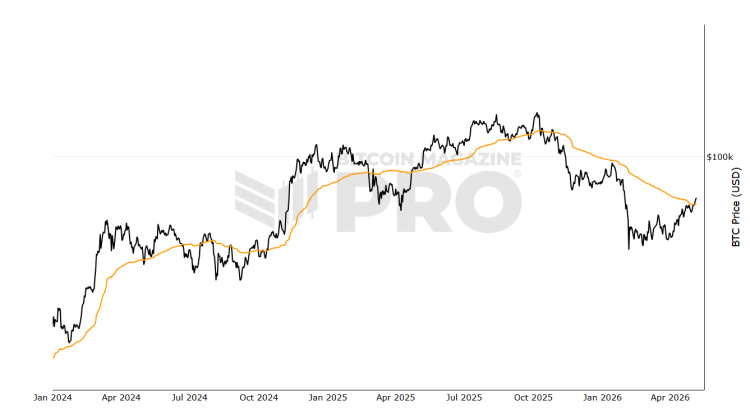
Bitcoin Reclaims Short-Term Holder Cost Basis—What It Means
Newsbtc·2026/05/08 07:03
Aptos Commits Over $50M to AI, Trading Infrastructure, and Institutional Growth
CoinEdition·2026/05/08 06:48

SHIB Faces Ongoing Downtrend Since Late 2024: Essential Insights for Holders
Cryptonewsland·2026/05/08 06:45
Flash
23:36
According to Global Times, the U.S. renewable energy sector has recently experienced a paradoxical situation: on one hand, the government is offering large sums of money to incentivize companies to abandon offshore wind power projects, while on the other hand, the country's largest-ever renewable energy project has finally been connected to the grid and started supplying electricity after 20 years of construction.Against the backdrop of surging electricity demand and a global energy transition, trends and executive decisions in the U.S. energy sector are intertwining and clashing, resulting in a rather complex situation. According to The New York Times, the U.S. Department of the Interior stated last week that it would pay $765 million to U.S. energy developer Invenergy to abandon its plan to build an offshore wind power plant. Under the agreement, Invenergy will voluntarily return four federal offshore wind farm leases and use the government compensation to develop at least five new natural gas power plants in the Midwest and pursue geothermal projects in the West. This marks the third such transaction under the current U.S. administration to cancel offshore wind leasing rights. Previously, the U.S. government reached an agreement with French energy giant TotalEnergies, which relinquished offshore wind projects near California and elsewhere in exchange for investing in fossil fuel projects. The report notes that the latest move means the U.S. government has spent about $2.5 billion on terminating offshore wind projects, which is described as “a highly unusual use of taxpayer money.”
23:34
Hot Token Movement: ZEC sees a market order worth $1.38 millionLarge orders from major players can be analyzed together with the position difference indicator to determine whether the main players are opening or closing positions. Activate a PRO membership to follow the trading actions of major players in real time.
23:30
Is the Cook era fading? Gurman: The next Apple CEO might refocus on the design teamGlonghui June 22|Bloomberg's well-known Apple reporter Mark Gurman published an article on Sunday reviewing the changes in Apple's organizational structure over the past decade. During the Tim Cook era, the influence of the design team within Apple's senior management has gradually weakened, a trend that was exacerbated by the departure of Jony Ive and talent outflow. At the same time, the finance and operations departments have gained increasing influence over product direction. However, Gurman believes that John Ternus, who is about to take over as CEO, may readjust this relationship and once again establish the important position of the design team in Apple's future development.