
Strategic advancements in infrastructure and regulatory frameworks enhance liquidity in clean energy markets and improve PPA risk management
- Corporate demand for renewable energy drives PPA growth, with 83% of 2024 European PPAs led by tech giants like Google and Amazon . - EU regulations like CBAM and CSRD enforce 24/7 carbon-free energy standards, pushing 70% of companies to modernize PPA strategies with GOs. - Strategic infrastructure innovations, including long-duration storage and hybrid gas-clean energy models, address intermittency and grid stability. - Aggregated/virtual PPAs and EIB's €500M pilot program lower barriers for SMEs, expa
Transforming the Clean Energy Market: Corporate Demand and Evolving Risk Management
The landscape of clean energy is experiencing a significant shift, fueled by a surge in corporate interest in renewable power. This growing demand is not only altering the liquidity of energy markets but also prompting a reevaluation of risk management strategies for power purchase agreements (PPAs). By 2025, corporate PPAs have become essential for market efficiency, propelled by regulatory changes, advancements in technology, and targeted investments in infrastructure. This overview examines the interplay of these factors in boosting market liquidity and addressing the complexities associated with corporate PPA risks.
Regulatory Drivers Boosting Market Liquidity
Policy frameworks are playing an increasingly influential role in shaping the growth and structure of clean energy markets. The European Union’s Carbon Border Adjustment Mechanism (CBAM) has notably intensified the push for round-the-clock carbon-free electricity, encouraging businesses to adopt advanced PPA models that meet hourly matching requirements. This evolution reflects a broader move towards more rigorous and sophisticated energy procurement practices, extending beyond mere regulatory compliance.
Additionally, the EU Corporate Sustainability Reporting Directive (CSRD) is reinforcing this trend by requiring companies to use Guarantees of Origin (GOs) to validate their renewable energy sources. As a result, about 70% of organizations are updating their PPA approaches to align with these new standards, significantly impacting market liquidity. In 2024, corporations are responsible for 83% of all PPAs signed in Europe, with technology giants such as Google, Microsoft, and Amazon leading the way. These firms are not only expanding their data center operations but are also making strong commitments to achieving net-zero emissions, thereby increasing the demand for long-term, location-specific renewable energy solutions.

Infrastructure Innovation: Strengthening Market Efficiency and Resilience
The development of strategic infrastructure is becoming a cornerstone for improving market performance. Breakthroughs like long-duration energy storage and digital management platforms are helping to overcome the intermittent nature of renewable energy sources. For instance, the Clean Bridge PPA model from Alvarez & Marsal recommends the temporary use of gas-powered plants to maintain grid stability as renewable projects scale up. This hybrid approach underscores the necessity of robust infrastructure to balance decarbonization ambitions with operational reliability.
Digital solutions are also revolutionizing the way PPAs are managed. Modern platforms now offer real-time monitoring, compliance oversight, and seamless integration with enterprise resource planning (ERP) systems, which can cut administrative tasks by as much as 20%. A notable example is a global retail company that improved its energy procurement efficiency by embedding PPA data directly into its ERP system, showcasing how technology can reduce risks and drive cost savings.
Case Studies: Innovative Solutions in a Fragmented Market
Despite the rapid growth in corporate PPA activity, the market faces significant obstacles. In 2025, Europe saw a 60% drop in PPA activity due to infrastructure limitations and prolonged grid connection timelines, which can now extend up to five years in some areas. Nevertheless, new models are emerging to address these challenges. Aggregated PPAs, which combine the needs of multiple smaller buyers, and virtual PPAs, which provide financial hedges without physical energy delivery, are making it possible for companies with energy demands as low as 1 MW to participate. These innovations are opening the market to small and medium-sized enterprises (SMEs) that were previously excluded due to high entry thresholds.
Supportive regulatory measures are also making a difference. The European Investment Bank’s €500 million pilot program and the introduction of tripartite PPA structures are helping mid-sized companies overcome financial and logistical barriers. These efforts highlight the critical role of policy alignment in creating a vibrant, inclusive market where a diverse range of participants can succeed.
Looking Forward: Navigating Ambition and Real-World Challenges
As the transition to clean energy accelerates, stakeholders must manage a complex mix of regulatory, technical, and infrastructure-related factors. Investors will find the greatest opportunities in projects that strengthen grid resilience, digital platforms that streamline PPA management, and regulatory systems that standardize sustainability reporting. However, persistent risks such as grid delays and intricate contract terms require flexible strategies that can adapt to changing market conditions.
In summary, the intersection of infrastructure development and regulatory progress is reshaping both market liquidity and risk management for corporate PPAs. As more companies anchor their sustainability objectives to continuous clean energy sourcing, the future growth of the market will depend on sustained investment in both physical and digital infrastructure, alongside policies that promote openness and ease of access.
Disclaimer: The content of this article solely reflects the author's opinion and does not represent the platform in any capacity. This article is not intended to serve as a reference for making investment decisions.
You may also like
Solana's Latest Price Fluctuations: On-Chain System Vulnerabilities and Investor Sentiment in Advanced Blockchain Networks
- Solana's 2025 market volatility stems from technical vulnerabilities, validator instability, and shifting investor sentiment, with SOL experiencing a 150% drawdown from its peak. - Validator count dropped 68% since 2023, raising decentralization concerns as institutional participants adopt MPC solutions to mitigate downtime risks. - Institutional adoption grew via ETFs like SOEZ and BSOL , yet infrastructure risks prompted cautious on-chain behavior and diversified risk management strategies. - DeFi TVL

Bitcoin Leverage Wipeout: Systemic Threats in Cryptocurrency Derivatives Markets
- 2025 Bitcoin leverage liquidation events ($19B+ in October, $543M in December) exposed systemic risks in crypto derivatives markets, with Bitcoin short positions disproportionately affected. - Crisis revealed interconnectedness between crypto and traditional finance, as stablecoin de-pegging and liquidity shocks impacted U.S. Treasury markets and midcap tokens. - Regulators intensified oversight: FSB identified stablecoin/CASP gaps, Basel Committee adjusted prudential rules, and 70%+ jurisdictions advanc

Clean Energy Market Fluidity: How REsurety's CleanTrade Platform is Transforming Institutional Participation and Risk Strategies in Renewable Energy Trading
- REsurety's CleanTrade platform standardizes green energy trading, boosting institutional liquidity and risk management. - Launched in 2025, it facilitated $16B in trades, enabling transparent VPPA/PPA/REC trading and ESG-aligned hedging. - CFTC oversight reduces counterparty risk, aligning with decarbonization goals amid policy uncertainties. - Despite challenges like rising rates, CleanTrade bridges gaps by standardizing pricing and aggregating demand.
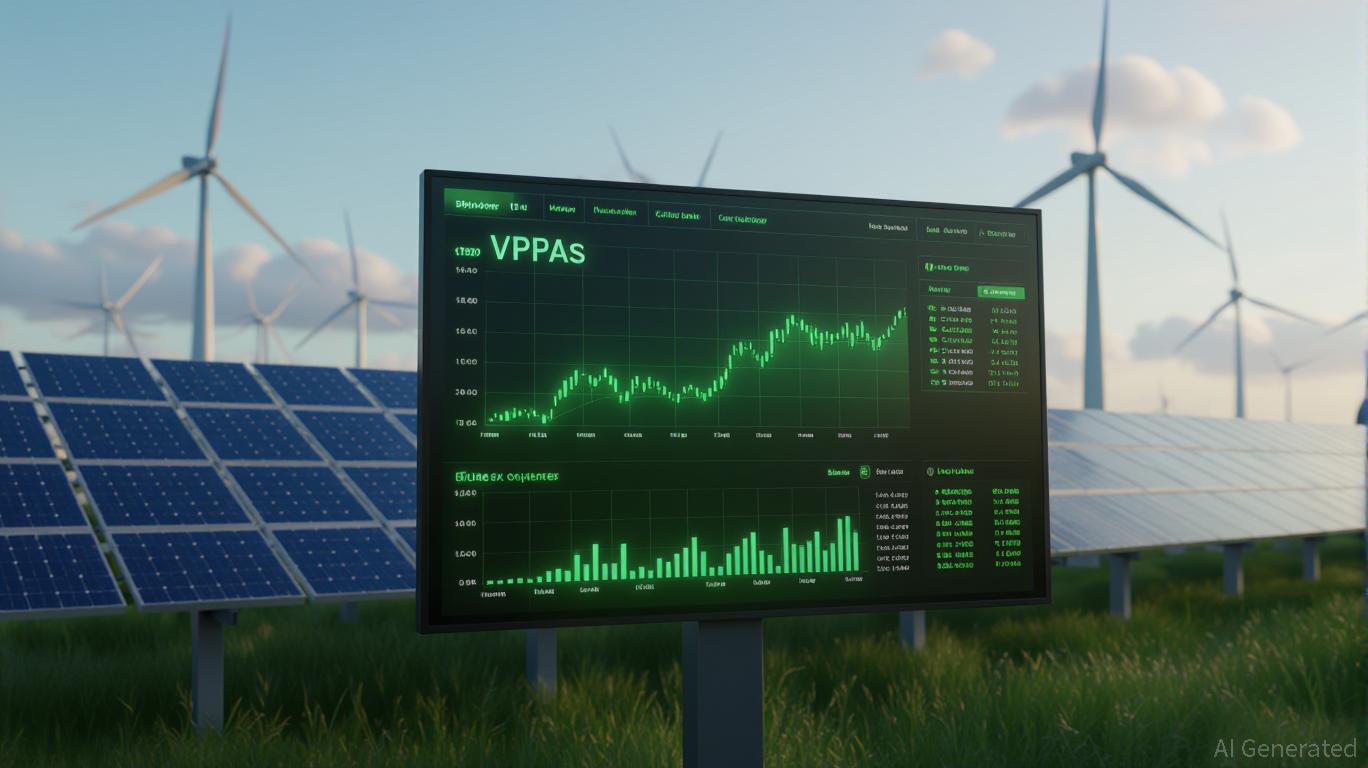
The Emergence of Clean Energy Derivatives: How CleanTrade is Transforming Institutional Investment in Renewable Resources
- CleanTrade's CFTC-approved SEF designation in 2025 revolutionizes clean energy derivatives by introducing institutional-grade liquidity and standardized trading for VPPAs, PPAs, and RECs. - The platform's $16B notional trading volume within two months demonstrates rapid institutional adoption, with major players like Cargill leveraging its transparent infrastructure to manage energy risks. - Integrated ESG analytics and automated compliance tools enable investors to align portfolios with sustainability g

Trending news
MoreCrypto prices
More





