
Gelephu Mindfulness City Names Matrixdock as Tokenization Partner for Sovereign Gold-Backed Crypto Asset

Quick Breakdown
- Gelephu Mindfulness City selects Matrixdock to develop the tokenization system for its gold-backed crypto asset, TER.
- Partnership follows Matrixport securing a Financial Services Licence from the GMC’s regulators.
- Initiative strengthens Bhutan’s ambition to become a regional hub for compliant digital assets and tokenized real-world value.
Gelephu Mindfulness City (GMC) in Bhutan has taken a major step toward becoming Asia’s newest crypto-forward jurisdiction by appointing Matrixdock as the tokenization technology partner for its upcoming sovereign gold-backed digital asset, TER. The move follows the GMC Authority’s issuance of a Financial Services Licence to Matrixdock’s parent company, Matrixport, signalling a coordinated push to establish a regulated ecosystem for blockchain-based financial products.
🇧🇹 We are breaking new ground. Bhutan’s Gelephu Mindfulness City ( @gmcbhutan ) has launched TER, a sovereign gold-backed digital token powered by @Matrixdock ’s industry-leading tokenization technology.
Our team is proud to support the Kingdom in building next-generation… pic.twitter.com/w5Qd4sV2Qu
— Matrixdock (@matrixdock) December 11, 2025
Regulated hub sets stage for asset tokenization
GMC has positioned itself as a crypto-friendly zone with clear digital asset rules, aiming to attract global blockchain companies seeking predictable regulatory oversight. Officials describe Matrixport’s licensing and Matrixdock’s appointment as foundational to building a trusted infrastructure for tokenized assets.
Matrixdock will develop the underlying systems that support TER, leveraging its experience in gold tokenization. The gold-backed token is expected to serve as a core financial instrument within GMC, enabling transparent, asset-backed value transfer for domestic and cross-border activity. GMC authorities say the initiative is part of a broader strategy to enhance financial resilience and build a digital-first economic model anchored in blockchain.
Matrixport, DK Bank join push for digital finance infrastructure
GMC’s digital-first lender, DK Bank, said the tokenization infrastructure will support more efficient transactions across the city’s financial network. The bank is preparing to integrate the TER framework into its services, positioning the token as a key tool for payments and liquidity movement.
Matrixport, which operates regulated entities across multiple global financial centres, stated that its new licence in Bhutan marks the beginning of deeper technological investment in the region. The company views the TER project as an example of how sovereign-backed digital assets can merge traditional value stores with blockchain-based settlement.
The collaboration among GMC, Matrixport, and Matrixdock positions Bhutan among emerging economies experimenting with sovereign-level tokenization.
Meanwhile, Matrixport has partnered with HKUST’s Institute for Financial Research. The collaboration, announced earlier this year, aims to advance blockchain-based RWA tokenization and explore how tokenized assets can bridge DeFi with traditional finance while boosting transparency, liquidity, and accessibility.
Disclaimer: The content of this article solely reflects the author's opinion and does not represent the platform in any capacity. This article is not intended to serve as a reference for making investment decisions.
You may also like
COAI Token Fraud: Insights for Cryptocurrency Investors During Times of Regulatory Ambiguity
- COAI token's 88% collapse in late 2025 exposed systemic risks in AI-driven DeFi ecosystems, with $116.8M investor losses. - Governance flaws included 87.9% token concentration in ten wallets, untested AI stablecoins, and lack of open-source audits. - Panic selling accelerated by AI-generated misinformation and CEO resignation, amid conflicting global crypto regulations. - Lessons emphasize scrutinizing token distribution, demanding transparent audits, and avoiding jurisdictions with regulatory ambiguity.

Renewable Energy Training as a Key Investment to Meet Future Workforce Needs
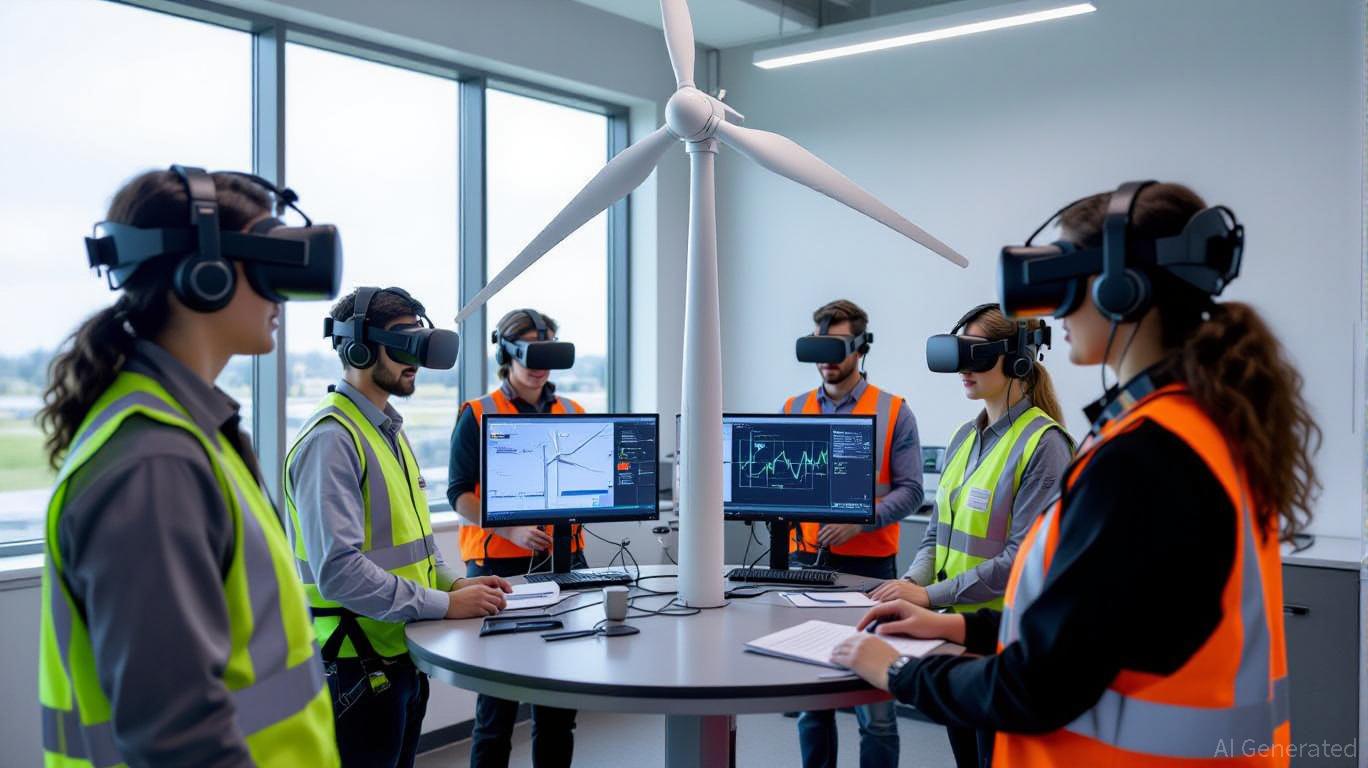
- Farmingdale State College's Wind Turbine Technology program aligns with surging demand for skilled labor in decarbonizing economies, driven by U.S. renewable energy targets. - Industry partnerships with Orsted, GE Renewable Energy, and $500K in offshore wind funding validate the program's role in addressing workforce shortages in expanding wind sectors. - Hands-on training with GWO certifications and VR simulations prepares graduates for high-demand, high-salary roles ($56K-$67K annually), reducing corpo
The Revival of STEM Learning as a Driving Force for Tomorrow’s Technology Investments
- Emerging STEM universities are driving tech innovation through interdisciplinary curricula and industry partnerships, focusing on AI, biotech , and advanced manufacturing. - U.S. programs like STEM Talent Challenge and NSF Future Manufacturing allocate $500K-$25.5M to bridge skills gaps and fund projects in quantum tech and biomanufacturing. - Leadership-focused STEM programs at institutions like Florida State and Purdue boost startup success rates (75-80%) and align with venture capital trends favoring

Assessing KITE’s Price Prospects After Listing as Institutional Interest Rises
- Kite Realty Group (KRG) reported Q3 2025 earnings below forecasts but raised 2025 guidance, citing 5.2% ABR growth and 1.2M sq ft lease additions. - Institutional investors showed mixed activity, with Land & Buildings liquidating a 3.6% stake while others increased holdings, reflecting valuation debates. - Technical indicators suggest bullish momentum (price above 50/200-day averages) but a 23.1% undervaluation vs. 35.1x P/E, exceeding sector averages. - KRG lags peers like Simon Property in dividend yie

Trending news
MoreCrypto prices
More





