
Revealing Hidden Property Value with Targeted Infrastructure Funding
- Webster , NY, uses $9.8M FAST NY grants to revitalize a 300-acre ex-Xerox site, aiming to attract $1B in redevelopment by 2026. - Infrastructure upgrades, including roadways and utilities , create a "shovel-ready" site for advanced manufacturing and logistics, boosting property value. - A $283M state funding match with private investments, like a $650M dairy plant, highlights public-private synergy in post-industrial revitalization. - U.S. trends show infrastructure grants drive real estate growth in ind
Unlocking Real Estate Potential Through Infrastructure Investment
As cities adapt to the realities of a post-industrial economy, targeted municipal infrastructure spending has become a key driver in revealing untapped real estate value. By channeling grant funding into the revitalization of neglected industrial areas, communities are transforming obsolete sites into thriving commercial centers and fueling property value growth. The transformation of the former Xerox campus in Webster, NY—powered by a $9.8 million FAST NY grant—serves as a prime example for investors eager to leverage this emerging trend.
The Webster Approach: Transforming Industrial Sites
Webster, New York, is setting a new standard for how infrastructure grants can ignite real estate development. The village has secured nearly $10 million from New York State’s FAST NY initiative to modernize the 300-acre Xerox Wilson Campus, a site earmarked for a $1 billion redevelopment by 2026. This investment targets essential upgrades such as improved roadways, enhanced sewer systems, and comprehensive electrical planning. These improvements are designed to make the site immediately attractive to advanced manufacturing, logistics, and semiconductor supply chain businesses, positioning Webster as a future hub for high-tech industry.
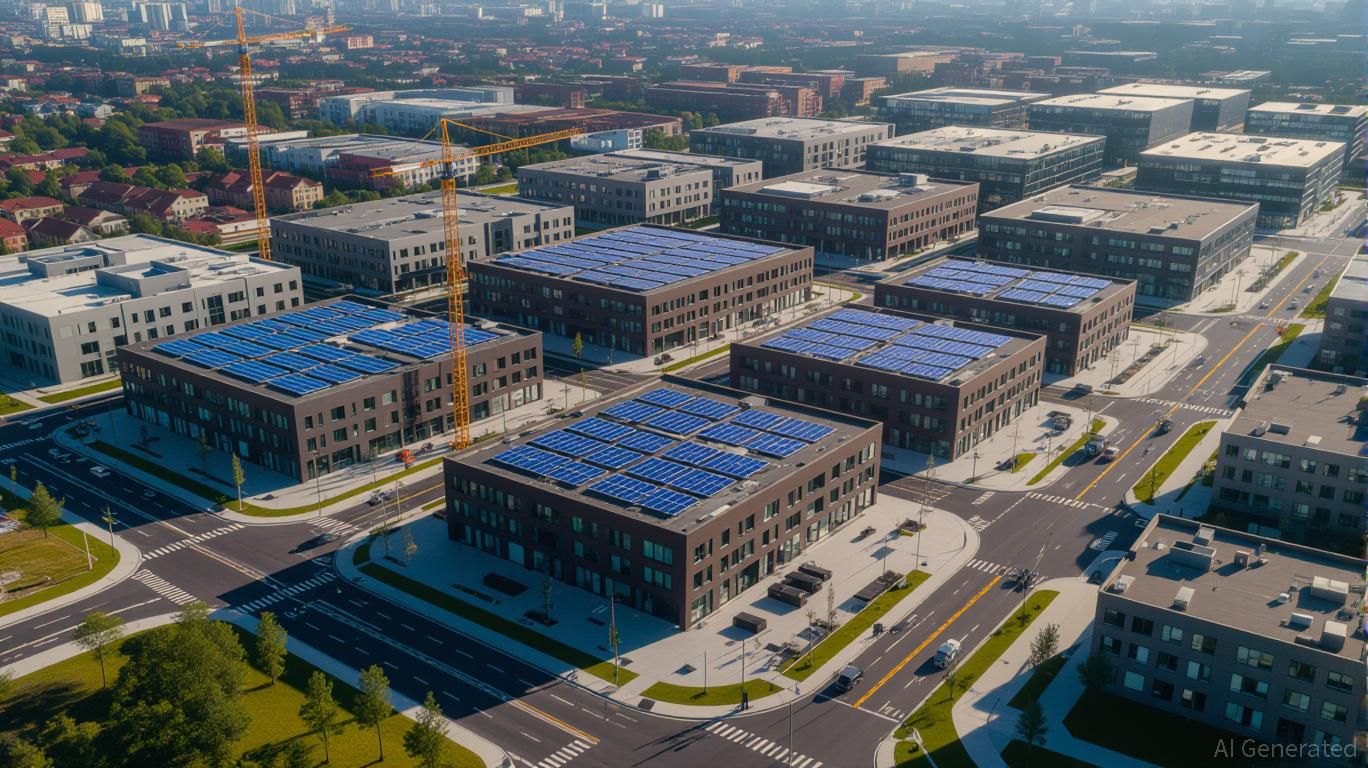
The scale of public investment is substantial, with $283 million in state funds already committed to infrastructure at the site. Private sector interest has quickly followed, highlighted by the planned $650 million fairlife® dairy facility, which is expected to create 250 new jobs by 2025. By aligning government and private investment, Webster is turning a dormant industrial property into a magnet for high-value commercial activity.
National Trends: Infrastructure as a Growth Engine
Webster’s story reflects a broader movement across the United States, where infrastructure grants are increasingly linked to rising real estate values in former industrial zones. Repurposed industrial sites, such as those now hosting data centers, have become highly sought-after assets in cities like Chicago, Dallas, and Northern Virginia. These locations, chosen for their strong infrastructure and business-friendly environments, are attracting significant investment across sectors including energy and commercial real estate.
Transportation improvements, in particular, have a notable impact on property values. Research indicates that properties located near new metro stations can experience value increases of 10–20% within a year of completion. Webster’s upgrades to roads and sewers are expected to similarly boost the site’s appeal for industrial tenants. Elsewhere, programs like Mississippi’s Site Development Grant Program show how targeted infrastructure enhancements—such as site grading and utility expansion—can accelerate both economic activity and property appreciation.
Investment Strategies: Identifying Opportunities
For investors, success lies in pinpointing communities where infrastructure grants are sparking a cycle of growth. The Webster redevelopment highlights three essential considerations:
- Ready-to-Build Sites: Locations with secured infrastructure funding, like Webster’s Xerox campus, help minimize delays and reduce risk for private developers.
- Industry Focus: Targeting sectors with high capital requirements, such as advanced manufacturing and logistics, ensures ongoing demand for commercial properties.
- Public-Private Partnerships: Government grants that encourage private investment—such as the $283 million allocated in Webster—can amplify returns for all stakeholders.
Additionally, innovative financing mechanisms like the Transportation Infrastructure Finance and Innovation Act (TIFIA) and Railroad Rehabilitation and Improvement Financing (RRIF) are enabling large-scale revitalization projects. These tools not only upgrade infrastructure but also create zones of economic renewal, often resulting in significant value increases for nearby properties.
Looking Ahead: Infrastructure as a Foundation for Growth
With global infrastructure spending projected to reach $15.83 trillion by 2030, the connection between infrastructure investment and real estate value is set to strengthen further. Communities such as Webster, NY, are proving that strategic infrastructure grants can unlock dormant assets and build long-term economic strength. For investors, the message is clear: post-industrial areas are not relics, but rather the foundation for future growth—provided the right infrastructure is in place to support their transformation.
Disclaimer: The content of this article solely reflects the author's opinion and does not represent the platform in any capacity. This article is not intended to serve as a reference for making investment decisions.
You may also like
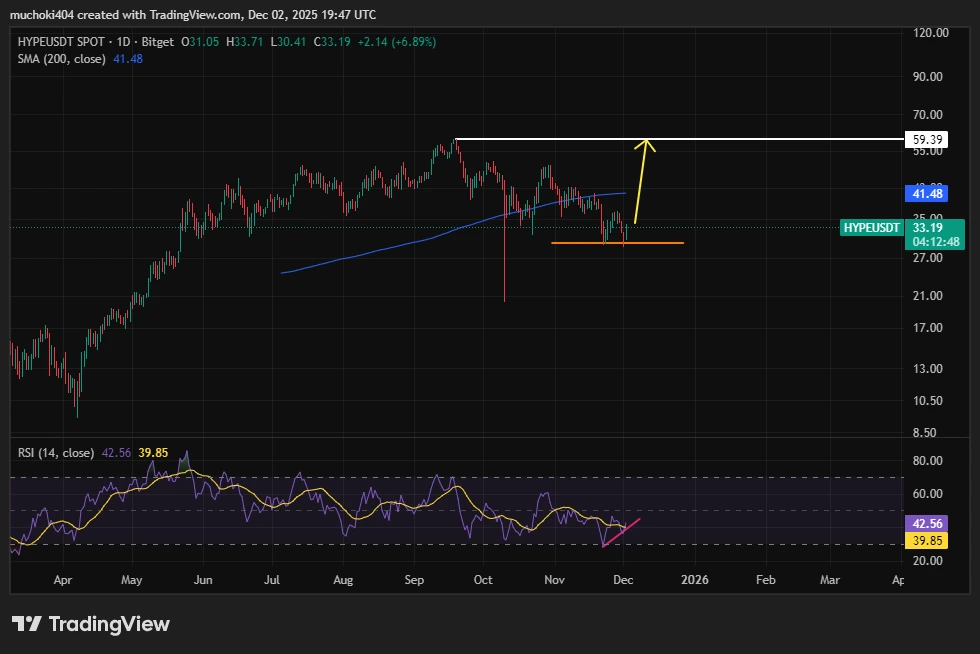
Hyperliquid (HYPE) May Revisit $59 Soon Amid Extreme Market Fear: Here is Why
Gary Gensler Warns Crypto Still “Speculative” Says Only Bitcoin Has Real Standing
Crypto ETF News: SEC Stops 3x and 5x Crypto ETFs to Protect Market Stability
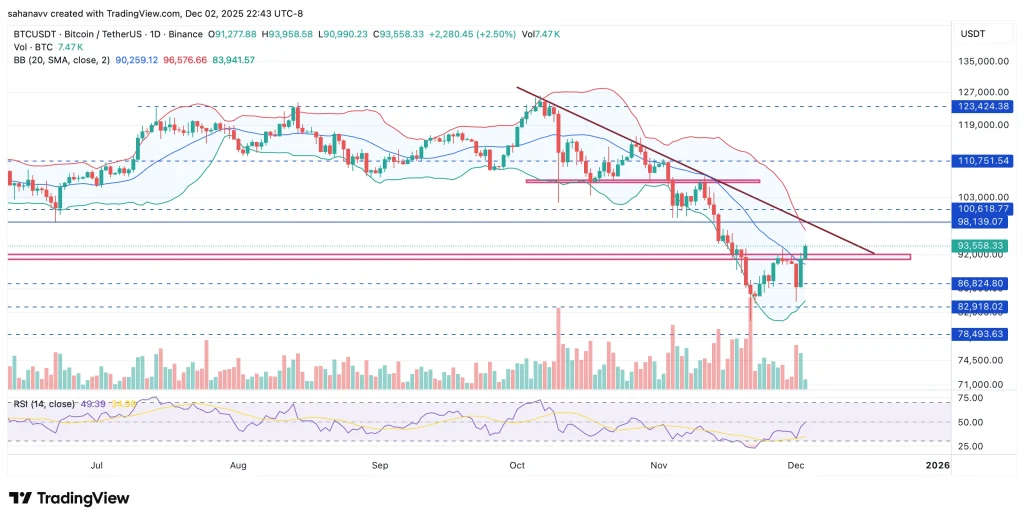
After a Massive Recovery, Is Bitcoin (BTC) Price Finally Ready for a $100K Surge?
Trending news
MoreCrypto prices
More






