
Cocoon Confronts Tech Giants' AI Dominance Using a Privacy-Centric Blockchain Approach
- Telegram founder Pavel Durov launched Cocoon, a TON-based decentralized AI platform prioritizing privacy through blockchain and encrypted TEEs. - The platform enables GPU owners to earn TON tokens by contributing compute power, bypassing centralized providers like Amazon and Microsoft . - Cocoon addresses AI's high costs and privacy risks by decentralizing infrastructure, with encrypted data processing and rapid scalability through community participation. - TON-backed GPU farms and user adoption demonst
Telegram Unveils Cocoon: A Decentralized AI Platform on TON Blockchain
Telegram has introduced Cocoon, an innovative AI platform operating on the TON blockchain, designed to offer a privacy-centric alternative to conventional, centralized AI services. Announced by Telegram’s founder Pavel Durov, Cocoon enables individuals with GPUs to contribute their computing resources in exchange for TON tokens. The platform utilizes Trusted Execution Environments (TEEs) to safeguard user data during AI processing, emphasizing confidentiality and security.
This launch represents a major advancement in harnessing blockchain technology to make AI infrastructure more accessible and community-driven. Cocoon aims to address widespread concerns about data privacy and the concentration of control in the hands of a few large tech companies.

Tackling Cost and Privacy Challenges in AI
Durov highlighted that Cocoon is built to solve two pressing problems in today’s AI landscape: excessive operational costs and significant privacy vulnerabilities. By decentralizing computational power, Cocoon removes the need for intermediaries such as Amazon and Microsoft, which Durov criticized for being both costly and detrimental to user privacy. All user data—including queries, training data, and results—remains encrypted throughout the process, setting Cocoon apart from traditional AI providers.
The network’s architecture allows for rapid expansion, rewarding GPU contributors as more users participate. This approach paves the way for a global, community-owned AI ecosystem, where benefits are distributed among participants rather than concentrated with large corporations.
Early Adoption and Infrastructure Growth
Cocoon’s rollout has already seen GPU owners earning TON tokens, with the network successfully handling real-time user requests. Durov also revealed that technology investment groups supporting TON have committed significant GPU resources to further enhance Cocoon’s capacity. This backing enables the platform to manage advanced tasks, such as processing large language models and handling video workloads, positioning Cocoon as a serious contender to established commercial AI services—all while prioritizing data protection.
Decentralized AI Gains Momentum
Advocates for decentralized AI, including David Holtzman from Naoris, believe that blockchain-based platforms can reduce risks by providing immutable records and enabling secure, trustless communication between nodes. According to a 2024 survey by the Digital Currency Group, 77% of participants felt that decentralized AI would deliver greater societal benefits compared to centralized alternatives, highlighting a rising demand for privacy-oriented solutions.
Looking Ahead: The Future of Cocoon
As Cocoon continues to grow, its influence may reach beyond privacy protection. By redistributing profits from AI infrastructure to those providing hardware, the platform challenges the traditional economic models of major technology firms and aligns with the movement toward user-controlled digital ecosystems. However, Cocoon’s long-term viability will depend on factors such as user adoption, regulatory developments, and its ability to maintain robust security as the network expands.
Disclaimer: The content of this article solely reflects the author's opinion and does not represent the platform in any capacity. This article is not intended to serve as a reference for making investment decisions.
You may also like
Zcash Halving 2025: Effects on Cryptocurrency Market Trends and Growing Institutional Engagement
- Zcash's 2025 halving reduced block rewards by 50%, triggering an 845% price surge to $650 amid Bitcoin-like scarcity dynamics. - Institutional adoption grew with $155M in ZEC investments, driven by Zcash's optional-privacy model aligning with AML regulations. - Shielded pools holding 4.96M ZEC and improved zero-knowledge tech highlight privacy's rising role in Web3 infrastructure. - Experts predict $1,000+ price targets for ZEC, but warn of regulatory risks and competition from emerging privacy protocols.

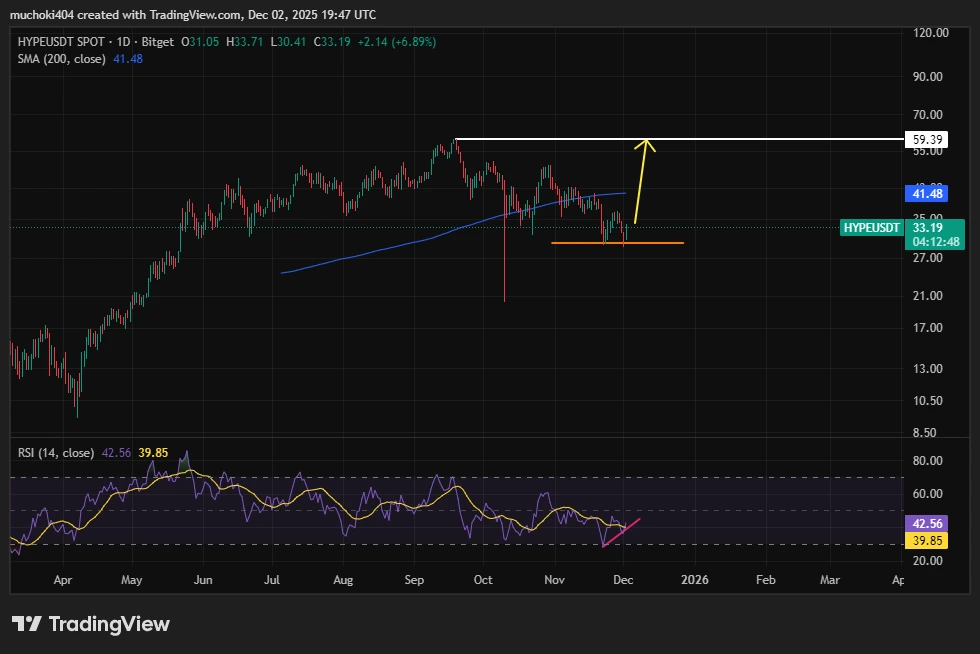
Hyperliquid (HYPE) May Revisit $59 Soon Amid Extreme Market Fear: Here is Why
Gary Gensler Warns Crypto Still “Speculative” Says Only Bitcoin Has Real Standing
Crypto ETF News: SEC Stops 3x and 5x Crypto ETFs to Protect Market Stability
Trending news
MoreCrypto prices
More






