
Systemic Vulnerabilities in Crypto Lead to Monad's 47% Drop
- Monad (MON) fell 47% from post-launch highs, sparking comparisons to speculative "Pi Coin"-style projects with weak fundamentals. - Crypto market fragility evident in Binance Coin's decline and North Korea-linked $36M Upbit hack, eroding investor confidence. - Traditional sector challenges mirror crypto risks, as Tether halts Uruguayan mining and UPS grounds aircraft post-crash. - DeFi projects like Mutuum Finance prioritize security audits, highlighting sector-wide need for safeguards absent in speculat
Monad (MON) Plummets 47% After Launch: Is It Following the Path of Pi Coin?
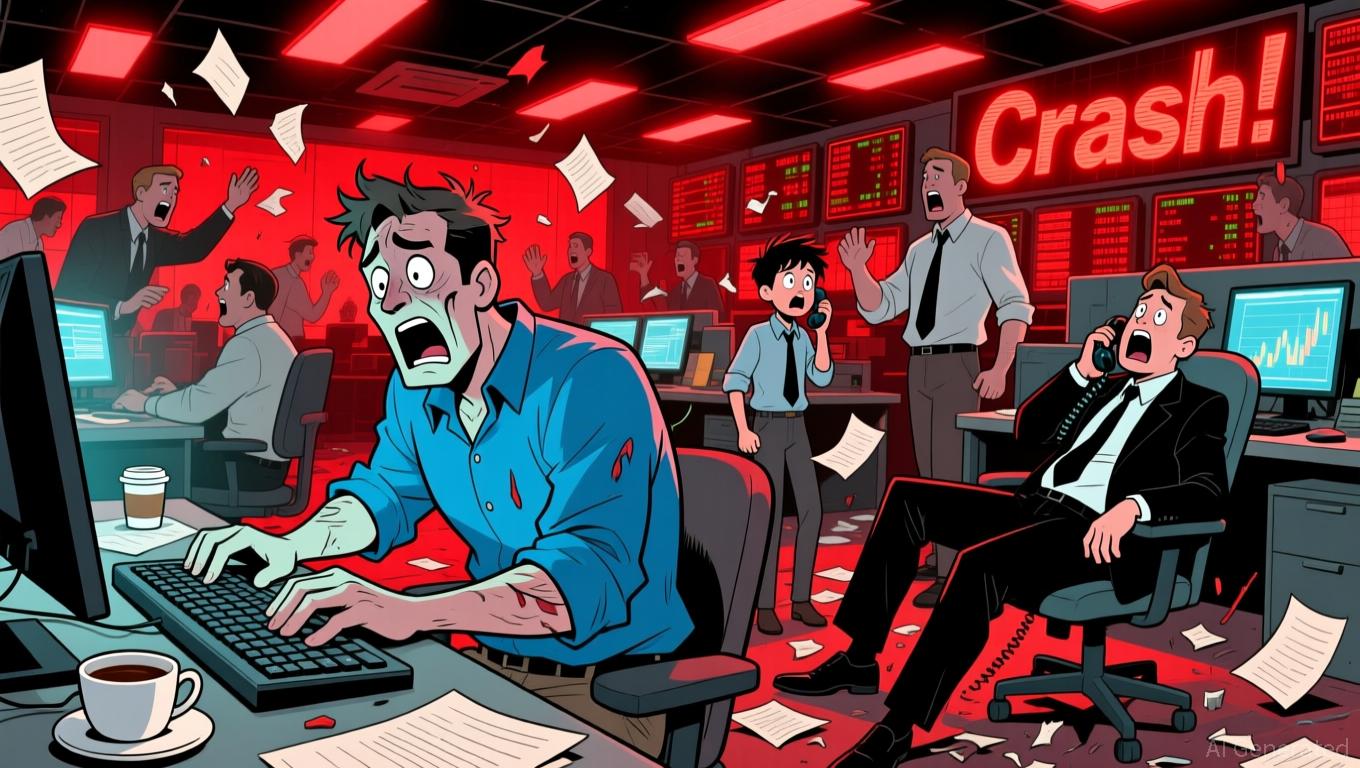
Monad (MON) has experienced a sharp 47% decline from its initial post-launch peak, sparking renewed discussions about whether it could become another example of a "Pi Coin"—a term often used for speculative cryptocurrencies that generate hype but struggle to maintain lasting value. While specific data on Monad is limited, broader trends in both the crypto and traditional financial markets may shed light on the reasons behind this significant downturn.
The overall cryptocurrency landscape has shown signs of vulnerability. For example, Binance Coin (BNB) has struggled to break above the $900 threshold as on-chain activity continues to wane and upcoming network upgrades loom. Experts point out that falling transaction volumes and a slowdown in token burns could undermine long-term growth, potentially impacting smaller tokens like MON. Additionally, major security incidents—such as the $36 million hack of South Korea’s Upbit exchange by the Lazarus group—have shaken investor trust. These events underscore the sector’s exposure to both technical flaws and geopolitical threats, which can intensify volatility, especially for newer projects.
Challenges within the wider blockchain industry add further complexity. Tether’s recent closure of its mining operations in Uruguay due to disputes over energy costs highlights how much the sector relies on supportive regulatory and economic environments. Meanwhile, disruptions aren’t limited to crypto: UPS’s decision to ground its aging MD-11 aircraft after a fatal accident has raised concerns about operational safety and reliability, echoing worries in crypto about the stability of underlying protocols.
For projects like Monad, these external pressures are compounded by internal governance and technical challenges. Many DeFi platforms are now placing greater emphasis on security audits to address vulnerabilities. For instance, Mutuum Finance (MUTM), a decentralized lending protocol, recently progressed with its Halborn security assessment as it prepares for a Q4 2025 debut. Mutuum’s focus on innovative lending mechanisms highlights the industry’s drive for advancement, but also the necessity for robust security—a lesson that Monad and similar projects may need to heed.
Comparisons to Pi Coin are becoming more pronounced. Pi Network, which relies on mobile mining and social media-fueled growth, has faced criticism for its speculative approach and delayed mainnet launch. If Monad’s model or promotional tactics mirror these characteristics, the recent price drop could signal a market reassessment of its underlying value and potential.
Moving forward, recovery for MON and comparable tokens will likely hinge on tackling these diverse challenges. Clearer regulations, enhanced security protocols, and tangible real-world use cases will be essential. For now, the combination of market instability, persistent security threats, and operational uncertainties means that the crypto sector remains a risky arena for speculative investments.
Disclaimer: The content of this article solely reflects the author's opinion and does not represent the platform in any capacity. This article is not intended to serve as a reference for making investment decisions.
You may also like
Investment Prospects in STEM Learning and Workforce-Ready Talent Streams: Linking with Astar 2.0
- Global STEM education demand surges as AI, blockchain, and biotech reshape industries, creating workforce skill gaps. - Astar 2.0's DeFi innovations (ZK Rollups, interoperability) indirectly support STEM through blockchain infrastructure and cross-chain collaboration. - U.S. and Singapore prioritize tech-integrated workforce strategies, aligning with Astar 2.0's potential to bridge DeFi and STEM education via scalable tools. - Investors can leverage Astar 2.0's $1.399B TVL and hybrid AMM-CEX model to fun

The ZK Transformation: Evaluating How Zero-Knowledge Technology Influences the Future Development of Blockchain
- ZK-rollups scale blockchain networks by bundling transactions, achieving 43,000 TPS and 30% lower gas fees, attracting institutions like Goldman Sachs and JPMorgan . - ZK technology resolves privacy-scalability paradox by enabling verifiable transactions without data exposure, adopted by EU regulators and enterprises like Nike and Sony . - Challenges persist: ZK-SNARKs require heavy computation, trusted setup risks exist, and privacy conflicts with AML regulations in some jurisdictions. - $725M+ VC inves
The Influence of Vitalik Buterin's Support for ZKsync on the Advancement of Scalable Blockchain Technologies: Evaluating the Prospects for Long-Term Investment in Pr
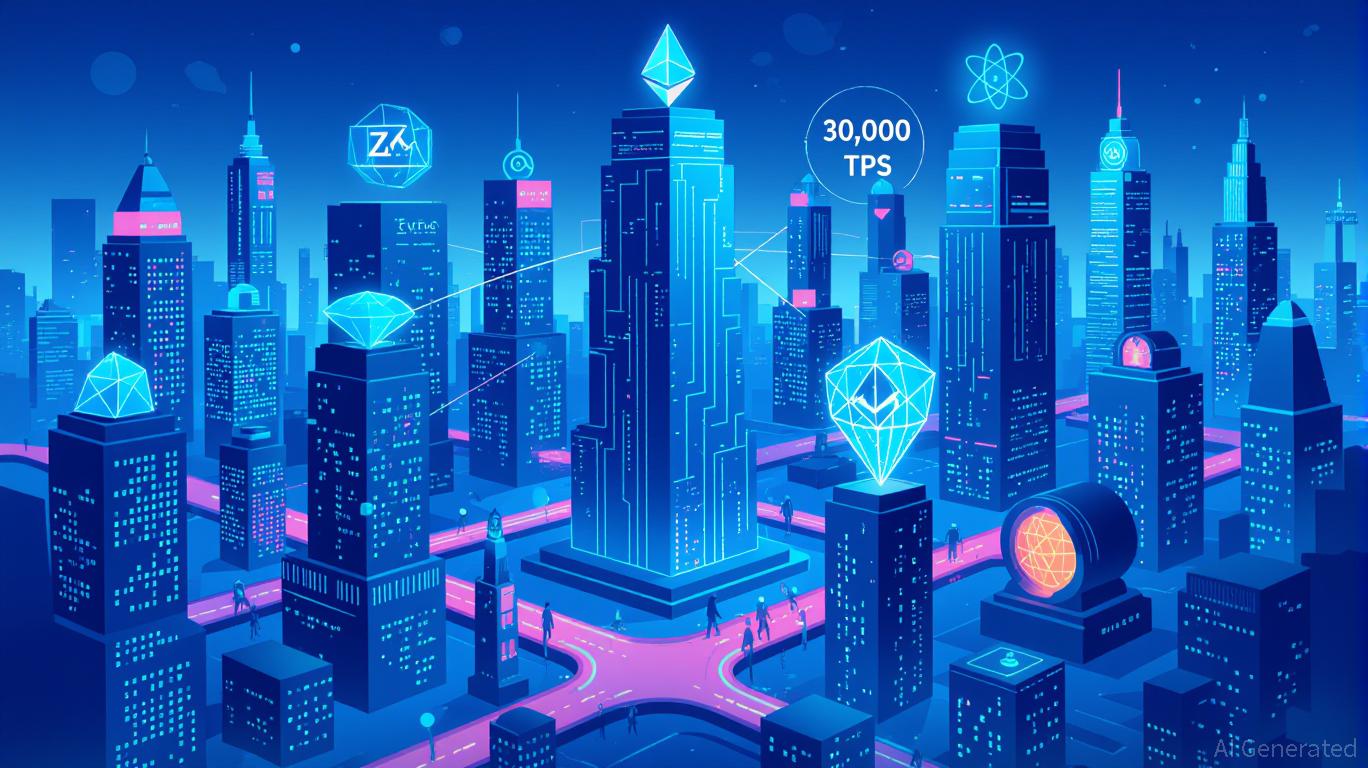
- Vitalik Buterin's 2025 endorsement of ZKsync accelerated its rise as a scalable Ethereum Layer-2 solution with 30,000 TPS and $3.3B TVL. - ZKsync's EVM compatibility and institutional partnerships contrast with StarkNet's quantum-resistant STARK proofs and Aztec's privacy-first architecture. - Analysts project ZK token prices at $0.40–$0.60 by 2025, while StarkNet faces adoption barriers and Aztec navigates regulatory challenges in privacy-focused DeFi. - The $7.59B ZKP market (2033 forecast) hinges on b
ZK Atlas Enhancement: Transforming Blockchain Scalability and Paving the Way for Institutional Integration
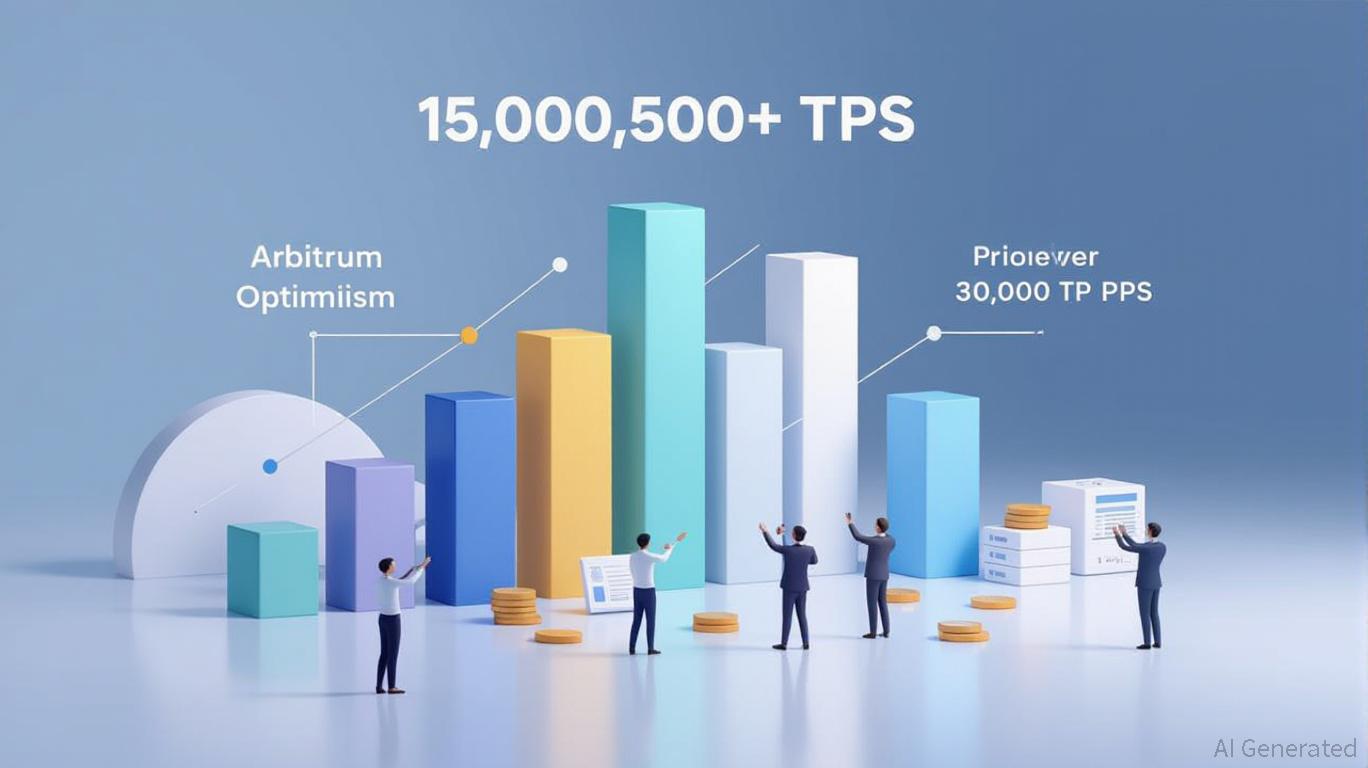
- ZKsync’s 2025 Atlas Upgrade achieves 15,000–43,000 TPS with $0.0001/transaction costs, boosting blockchain scalability for institutions. - Deutsche Bank , Sony , and Citi adopt ZKsync for tokenized assets and privacy-driven transactions, citing compliance and efficiency gains. - Market forecasts predict 60.7% CAGR for ZK Layer-2 solutions through 2031, with Fusaka upgrade targeting 30,000 TPS to solidify ZKsync’s leadership.
Trending news
MoreCrypto prices
More





