
Pro-cryptocurrency Stance Influences Trump’s CFTC Pick to Help Close SEC Gap
- Trump nominated SEC crypto task force chief Michael Selig to lead CFTC, aiming to unify crypto regulation between agencies. - The move followed industry lobbying against initial nominee Brian Quintenz and seeks to address regulatory fragmentation in digital assets. - Selig's SEC experience and expertise in securities law position him to streamline oversight while balancing innovation and investor protection. - Challenges remain, including CFTC staffing shortages and stalled Senate negotiations, which cou
President Donald Trump has put forward Michael Selig, who currently serves as chief counsel for the Securities and Exchange Commission's (SEC) pro-crypto initiative, as his pick to head the Commodity Futures Trading Commission (CFTC). This nomination points to a coordinated regulatory stance on digital currencies between the SEC and CFTC. According to
During his time at the SEC, Selig has played a crucial role in steering the agency toward more crypto-friendly policies under Trump’s leadership. His move to the CFTC is anticipated to help close regulatory gaps between the two agencies, making oversight of digital assets more efficient and addressing new issues such as prediction markets, as reported by Coinotag. The CFTC, which is currently operating with only one commissioner due to staffing shortages, has faced difficulties managing its growing responsibilities in the crypto and derivatives space. Selig’s background in securities law and his leadership on the SEC’s crypto task force equip him to tackle these challenges while maintaining a balance between fostering innovation and protecting investors, according to Coinotag.
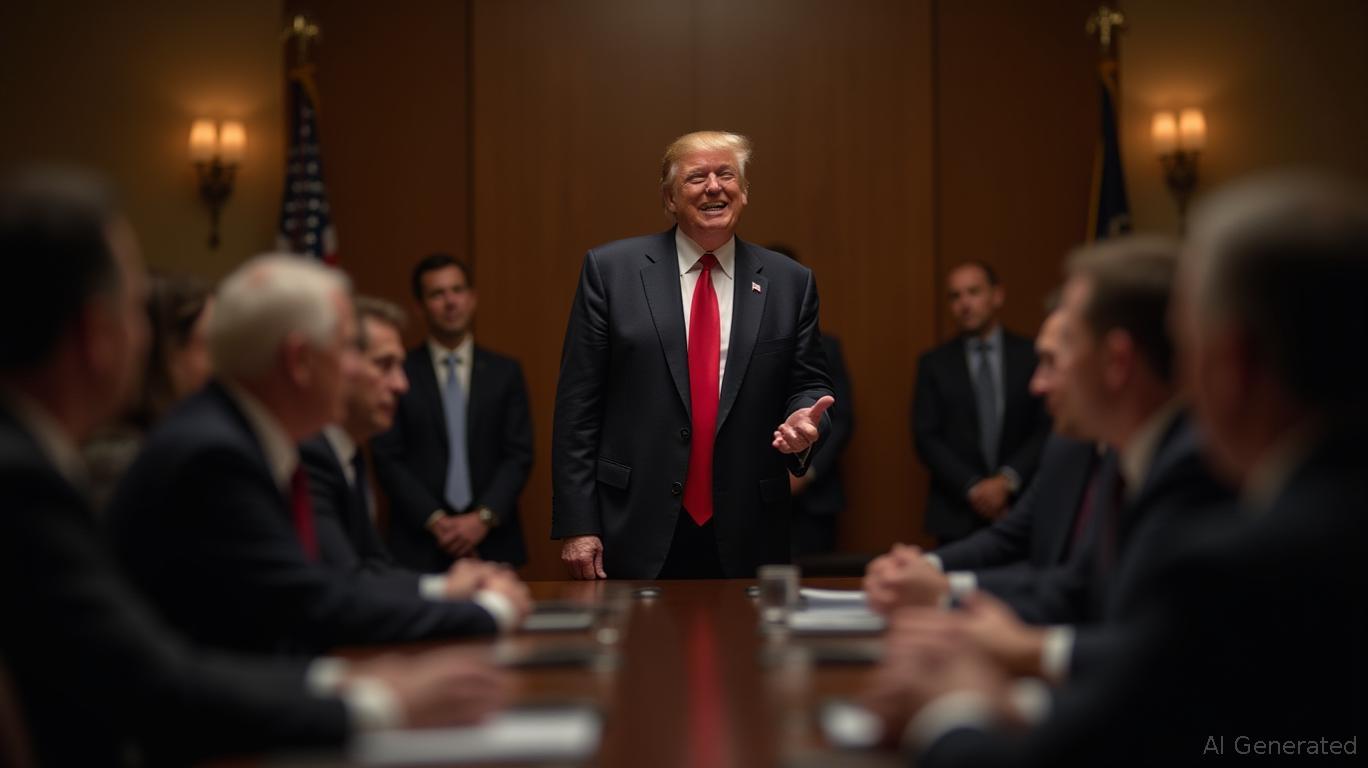
This nomination highlights a broader pro-crypto shift within the Trump administration. Earlier this year, the White House issued an executive order to establish a national
The crypto community has responded positively to the nomination. The Winklevoss twins, who had previously opposed Quintenz due to past disagreements with the CFTC, described Selig’s nomination as a “win for crypto innovation.” Their advocacy, which included both public statements and direct outreach to Trump, underscores the increasing influence of crypto leaders on regulatory appointments, Coinotag noted. Selig’s earlier experience at Willkie Farr & Gallagher, where he advised on complex financial instruments similar to crypto derivatives, further strengthens his qualifications, as highlighted by Coinotag.
The CFTC’s oversight of prediction markets—a sector experiencing rapid growth—adds urgency to this appointment. Platforms such as Kalshi and Railbird, which fall under CFTC regulation, have seen trading volumes soar, raising questions about whether they should be classified as commodities or securities, according to
The market impact of this nomination could be substantial. A harmonized regulatory approach may ease compliance requirements for businesses and enhance investor trust. For example, DraftKings’ recent purchase of CFTC-regulated Railbird and its intention to launch prediction markets through the DraftKings Predictions app demonstrate the sector’s promise. Polymarket, another major player, is positioning itself as a clearinghouse for DraftKings’ prediction markets, illustrating the merging of traditional and blockchain-based betting, according to
Nonetheless, significant obstacles persist. The CFTC’s staffing shortages, worsened by the recent government shutdown, have delayed essential oversight efforts, Coinotag warned. Additionally, disagreements in the Senate over crypto regulation—driven by concerns about past failures such as FTX—continue to hinder comprehensive legislative progress, as noted by Currency Analytics. Experts emphasize the importance of bipartisan safeguards that protect investors while still encouraging innovation.
As Selig’s nomination proceeds through Senate confirmation, industry observers are watching developments closely. The CFTC’s capacity to resolve staffing issues and work in tandem with the SEC will be key to shaping the future of crypto regulation in the U.S. For now, this nomination represents a significant move toward a more coordinated regulatory system, helping the U.S. maintain its edge in the global digital finance arena, according to Coinotag.
Disclaimer: The content of this article solely reflects the author's opinion and does not represent the platform in any capacity. This article is not intended to serve as a reference for making investment decisions.
You may also like
The Federal Reserve's Change in Policy and Its Growing Influence on Blockchain-Based Innovation
- The Fed's 2025 GENIUS Act and FedNow infrastructure catalyzed blockchain growth, boosting Solana's capital inflows and institutional adoption. - Regulatory clarity for stablecoins (1:1 reserves, AML safeguards) drove $315B market cap and $9T annual transactions, reshaping digital finance. - Solana's 5,000 TPS and partnerships with Visa/Stripe/BlackRock positioned it as a FedNow alternative for cross-border settlements and tokenized assets. - Hybrid infrastructure models (FedNow + permissionless chains) m

Apple Music’s Replay 2025 has arrived

Titan OS secures $58 million in funding from Highland Europe to advance its smart TV operating system

Trending news
MoreCrypto prices
More






