Grasping the COAI Price Decline: Key Factors and What It Means for Investors
- COAI Index, a crypto AI benchmark, fell 88% in 2025 due to governance failures, regulatory ambiguity, and market panic. - C3.ai's $116M loss, founder resignation, and lawsuits exposed systemic governance risks in AI crypto firms. - Regulatory "gray zone" over AI tokens and conflicting agency rules deterred institutional investment in the sector. - Volatile COAI prices ($44.9 to $2-3) and suspicious trading patterns highlighted sector-wide trust erosion. - Investors now prioritize governance transparency
COAI Index Plummets: Lessons from the 2025 Crypto AI Market Crash
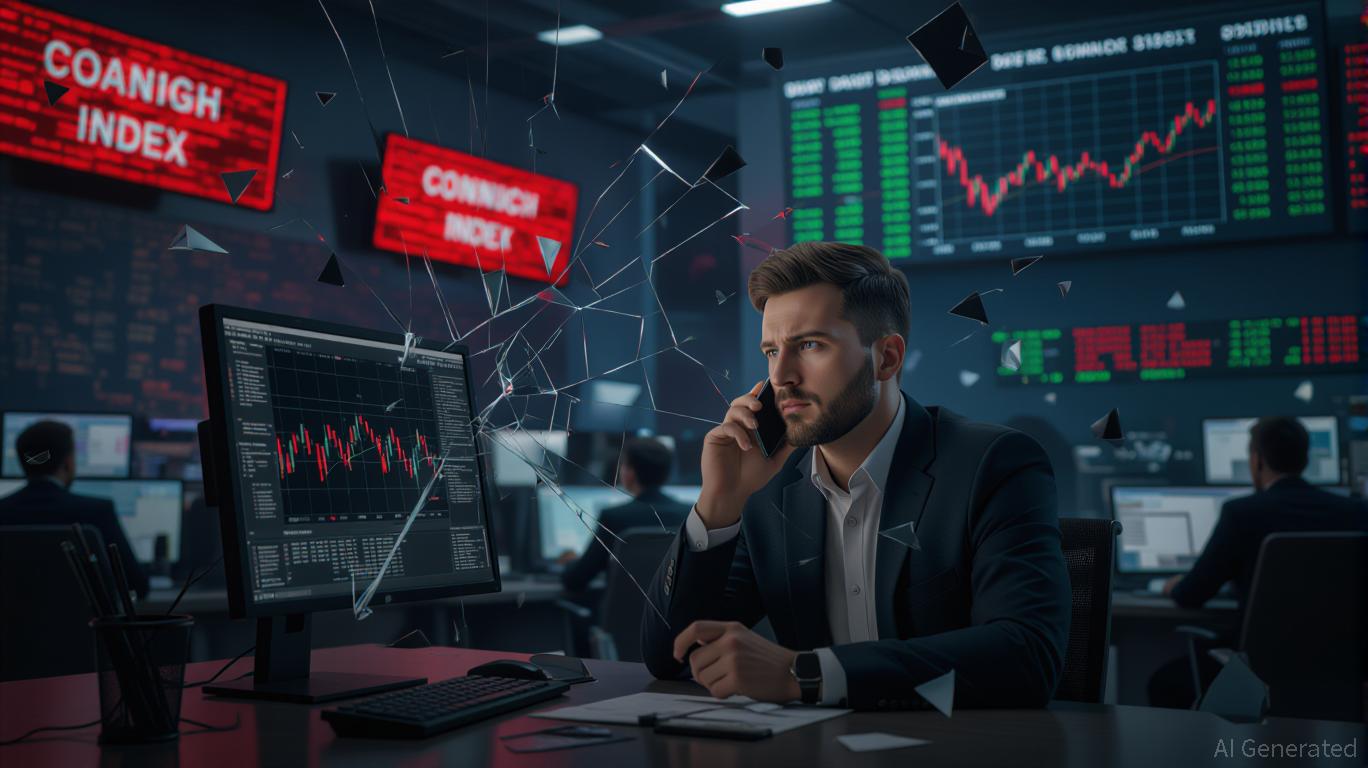
The COAI Index, which tracks the performance of crypto AI-related stocks, has suffered a dramatic 88% drop in 2025. This sharp decline has drawn significant attention from both investors and industry experts. The downturn, fueled by a mix of governance lapses, unclear regulations, and shifting investor attitudes, highlights the vulnerability of new technology stocks in today’s fast-changing environment. The COAI episode stands as a stark warning about the dangers of relying too heavily on hype and the necessity for strong oversight in emerging sectors.
Governance Failures Shake Investor Confidence
A major factor behind COAI’s downfall was a governance crisis at C3.ai, a prominent company within the index. In the first quarter of 2025, C3.ai reported a net loss of $116.8 million and a non-GAAP operating loss of $31.2 million in the fourth quarter, despite achieving 26% annual revenue growth. The situation worsened when founder Thomas Siebel unexpectedly stepped down as CEO, followed by a class-action lawsuit alleging governance issues. These developments severely undermined trust among investors, leading to widespread sell-offs. Analysts from Bitget point out that such governance problems are not unique to C3.ai but are indicative of broader weaknesses in the crypto AI industry, where insufficient oversight and lack of transparency increase overall risk.
Regulatory Uncertainty Clouds the Sector
Ambiguous regulations have further intensified COAI’s troubles. The proposed CLARITY Act, intended to establish guidelines for digital assets, failed to clearly define AI tokens, leaving the sector in a state of legal uncertainty. This lack of clarity has discouraged institutional investors, who require well-defined rules before committing significant capital. Additionally, ongoing disagreements between the SEC and CFTC regarding the classification of stablecoins and AI tokens have resulted in a fragmented regulatory landscape. For instance, the absence of unified standards for AI-powered healthcare solutions—where ethical and governance concerns are especially pressing—has stifled both innovation and adoption.
Market Sentiment Deteriorates Across the Board
Investor sentiment has worsened in response to these structural problems. The COAI Index experienced extreme price swings, reaching a high of $44.9 on October 12, 2025, before crashing to just $2–$3 by the end of the month, reflecting widespread panic. Coordinated trading patterns and suspicious wallet activities have raised fears of potential market manipulation. Broader industry issues, such as scandals in DeFi governance and liquidity shortages, have only deepened these anxieties. While established AI stocks like Microsoft and Nvidia have remained strong, COAI’s collapse has exposed a significant loss of faith in the crypto AI sector specifically.
Investor Takeaways: Adapting to a Shifting Landscape
The recent downturn of the COAI Index highlights the critical need for thorough research and due diligence when investing in emerging technologies. Transparent governance and proactive regulatory compliance are now essential for sustainable growth. Some market watchers see the current slump as a chance to invest in more resilient companies, but any recovery will depend on addressing both governance and regulatory challenges. Investors should also pay close attention to data quality and ethical standards in AI projects, as weak data practices can undermine even the most innovative solutions.
In summary, the COAI crisis encapsulates the broader hurdles facing the crypto AI industry. As regulatory frameworks and corporate governance improve, stability may return to the market. Until then, a cautious approach remains the wisest course for investors.
Disclaimer: The content of this article solely reflects the author's opinion and does not represent the platform in any capacity. This article is not intended to serve as a reference for making investment decisions.
You may also like
LUNA Rises 42.62% Over the Past Week Amid Ongoing Legal Developments in the Terra Ecosystem
- Terra's LUNA token surged 42.62% in 7 days amid ongoing legal proceedings against co-founder Do Kwon. - Prosecutors seek 12-year prison sentence for Kwon over 2022 Terra collapse, which triggered $40B market losses. - LUNA Classic and LUNC rose 70-130% as investors view legal drama as catalyst for renewed Terra ecosystem interest. - Kwon's guilty plea and sentencing hearing on Dec 11 could shape market sentiment, though pardon odds remain at 2%. - "Bankruptcy concept coins" like USTC and FTT also surged,
Bitcoin’s Latest Price Swings and Institutional Outlook: Managing Uncertainty in an Evolving Cryptocurrency Environment
- Bitcoin's 40% November 2025 price drop highlights volatility challenges despite growing institutional adoption and regulatory clarity. - 55% of hedge funds now hold Bitcoin as strategic inflation hedge, driven by ETF approvals and $3 trillion institutional asset unlocking. - Macroeconomic correlations (S&P 500 at 0.48) and Fed policy shifts demonstrate Bitcoin's evolving role as macroeconomic barometer. - 72% of institutions adopted advanced risk frameworks in 2025, emphasizing AI monitoring and regulato
The Revival of Industrial Properties in Webster, NY, Driven by Major Infrastructure Improvements and the Transformation of the Xerox Campus
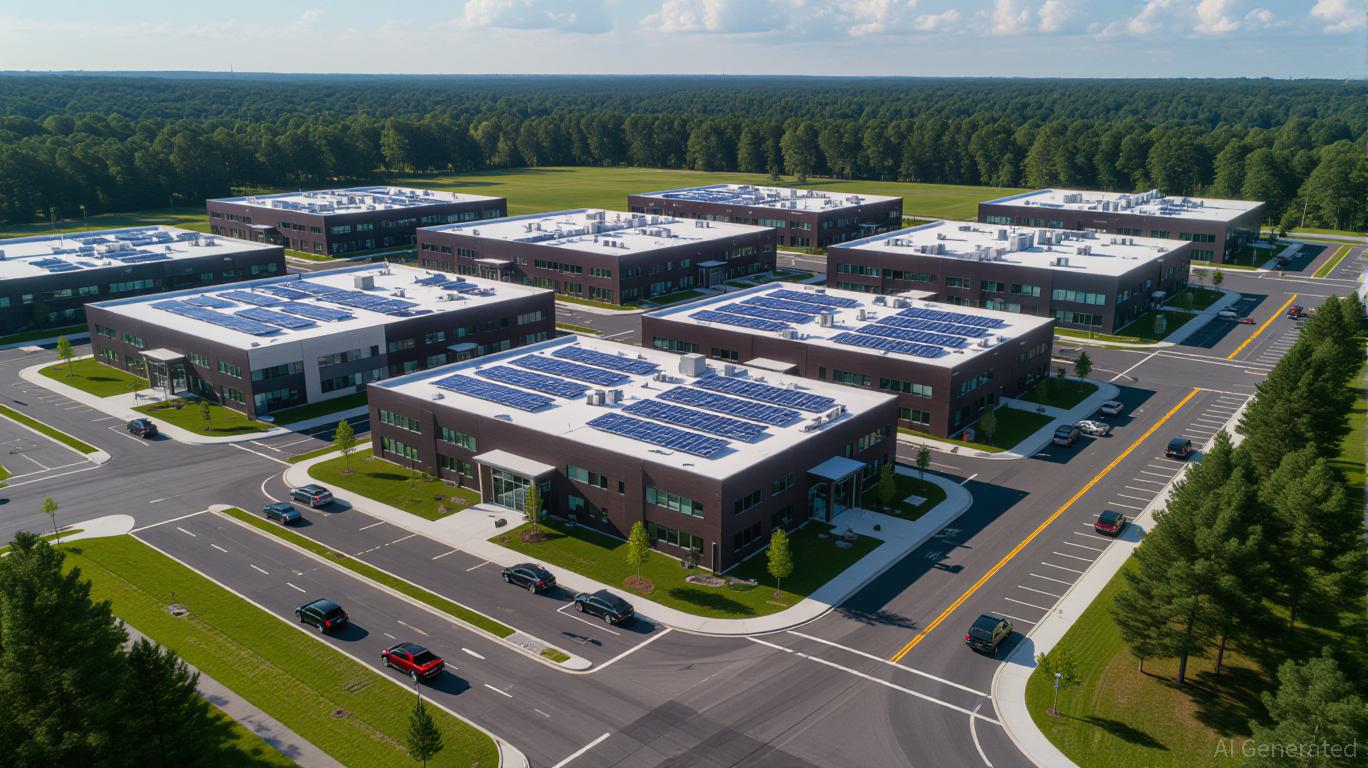
- Webster , NY, is revitalizing industrial real estate through infrastructure upgrades and Xerox campus redevelopment, creating a high-tech industrial hub. - A $9.8M FAST NY grant transformed a 300-acre brownfield, reducing vacancy rates to 2% and attracting $650M in projects like fairlife® dairy. - EPA-approved remediation and a solar garden project highlight sustainability efforts, aligning with ESG goals and boosting investor confidence. - Statewide infrastructure funding and tax incentives are projecte
Altcoin Market at Critical Support: TOTAL2 Defends Key Bull-Market Level — 5 Coins Primed for Major Upside